
A Better Onboarding Experience for Zilliz
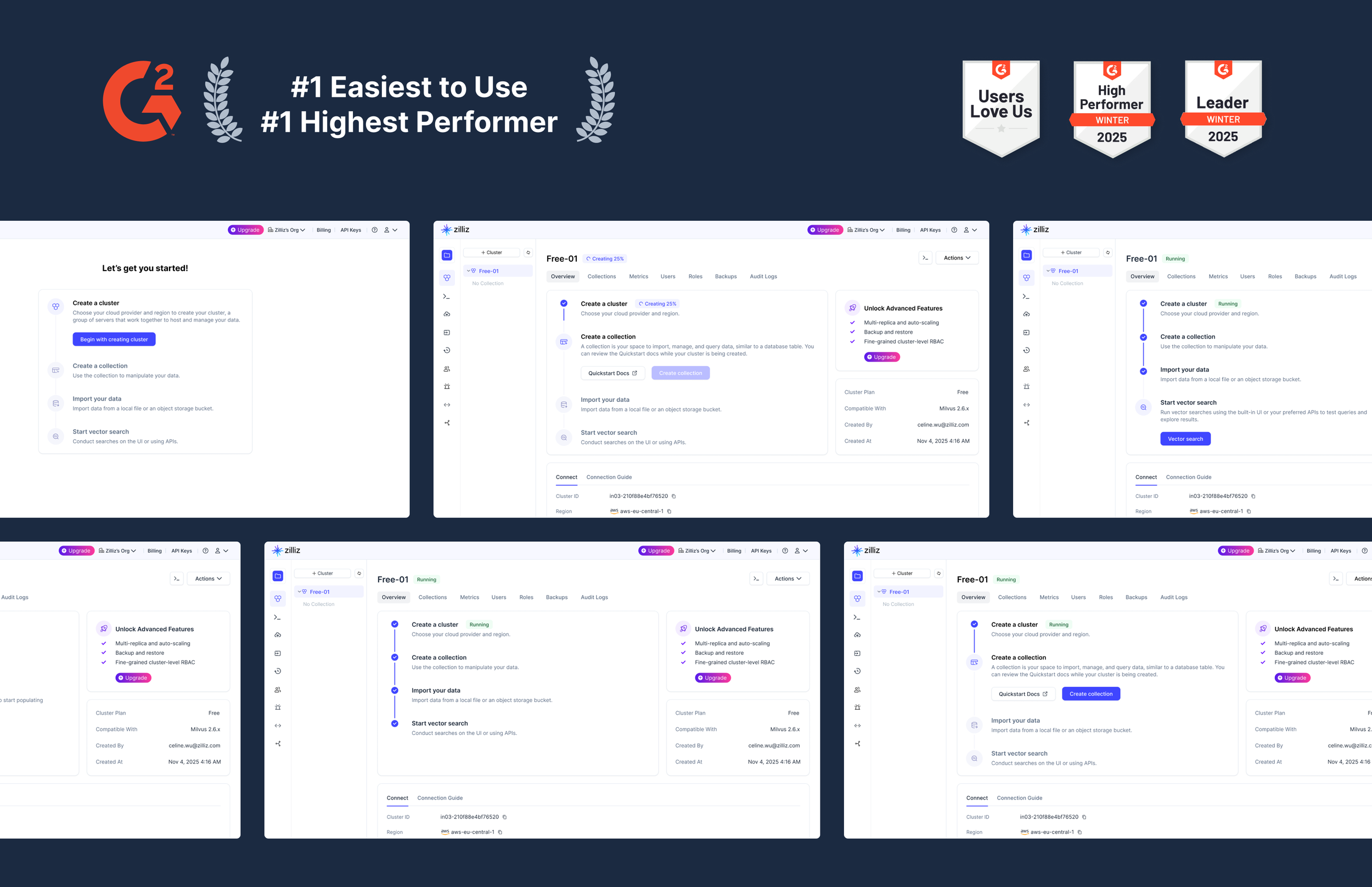
Team
1 Product designer 1 Product manager 1 Engineer
Contribution
User research High-fidelity prototype Stakeholder interview
Tools
Figma Figma make
Role
Product Designer
Impact and Expected outcomes
Turning one-off onboarding into a guided, end-to-end activation journey, aligning product education with user intent and surfacing upgrades at the moment of value.
+ 36%
Activation rate
+ 9%
Conversion rate
- 18%
drop-off rate
Background

What is Zilliz?
What is my role?
Zilliz is an open source vector database platform that helps developers build AI‑powered applications, serving 10,000+ enterprise users globally.

During my internship, I led the end-to-end onboarding redesign from problem discovery through implementation, working cross-functionally with product and engineering teams.

Users
Data analysts and data scientists who need to quickly set up vector search capabilities for their AI and machine learning workflows.

User Goals
Understand how to perform vector searches without extensive documentation diving.
Evaluate whether the platform meets their team's needs before committing to paid plans.
Get clusters running fast.

User Pain Points
Tight timelines and fast work pace. Can't afford to spend days learning and setting up a new platform.
Need to demonstrate value to stakeholders quickly.
Problem definition
the majority of new users were abandoning the platform before experiencing the product's value.
Our statistics revealed a critical issue:
I conducted a funnel analysis to pinpoint the breakdown:
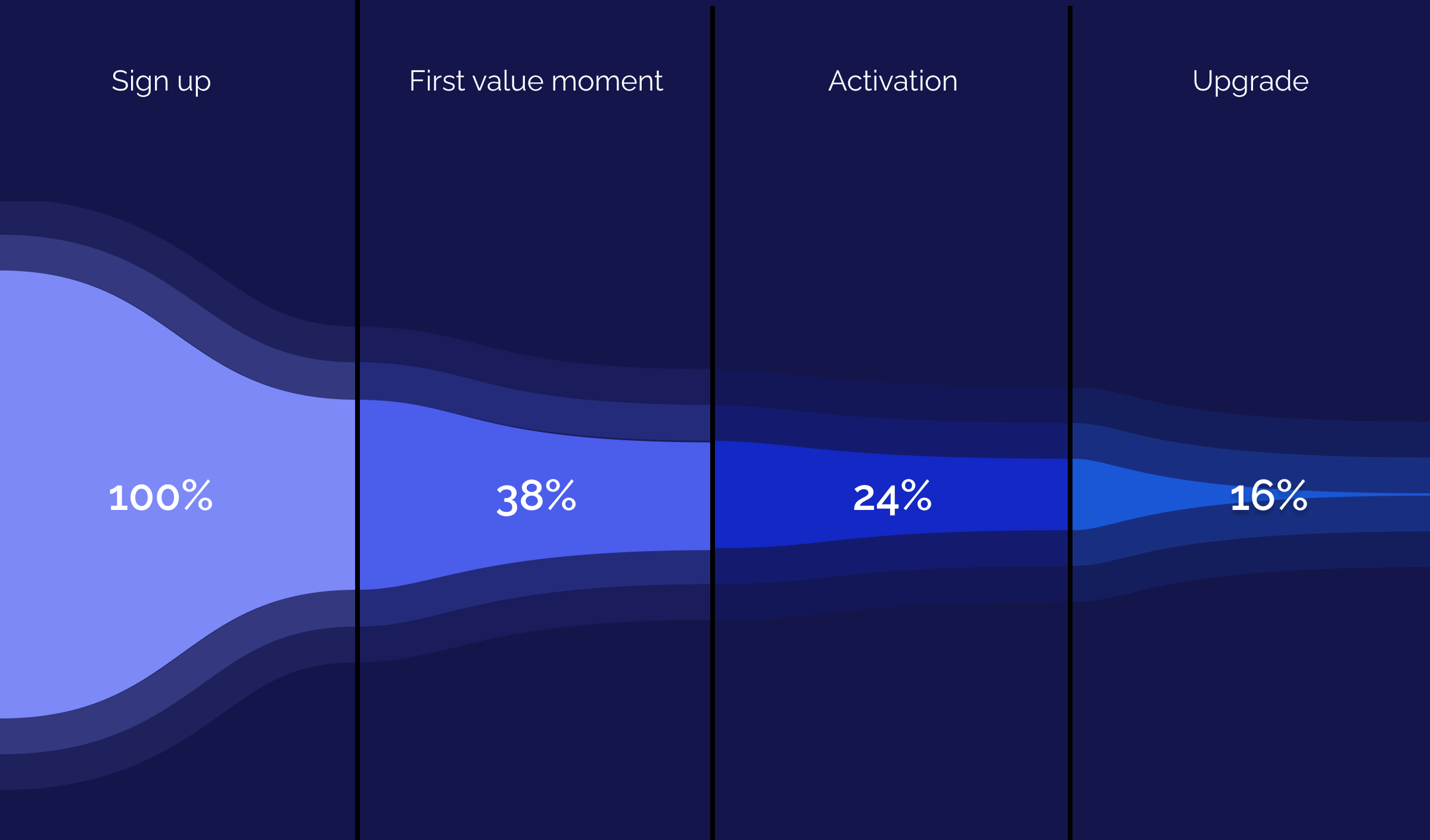
62%
of new users never reached their first value moment - cluster creation.
76%
of users never get activated and experienced the platform's core function - vector search.
The data was clear. our onboarding was broken at a structural level.
For users
For the company
The current experience left them directionless and unable to discover the product's core value. A better onboarding would guide them to their first vector with less friction.
Low activation rates were wasting acquisition investment and limiting growth. Redesigned onboarding would convert sign-ups into active, engaged users, driving retention and revenue.
Step2 Welcome onboarding guide
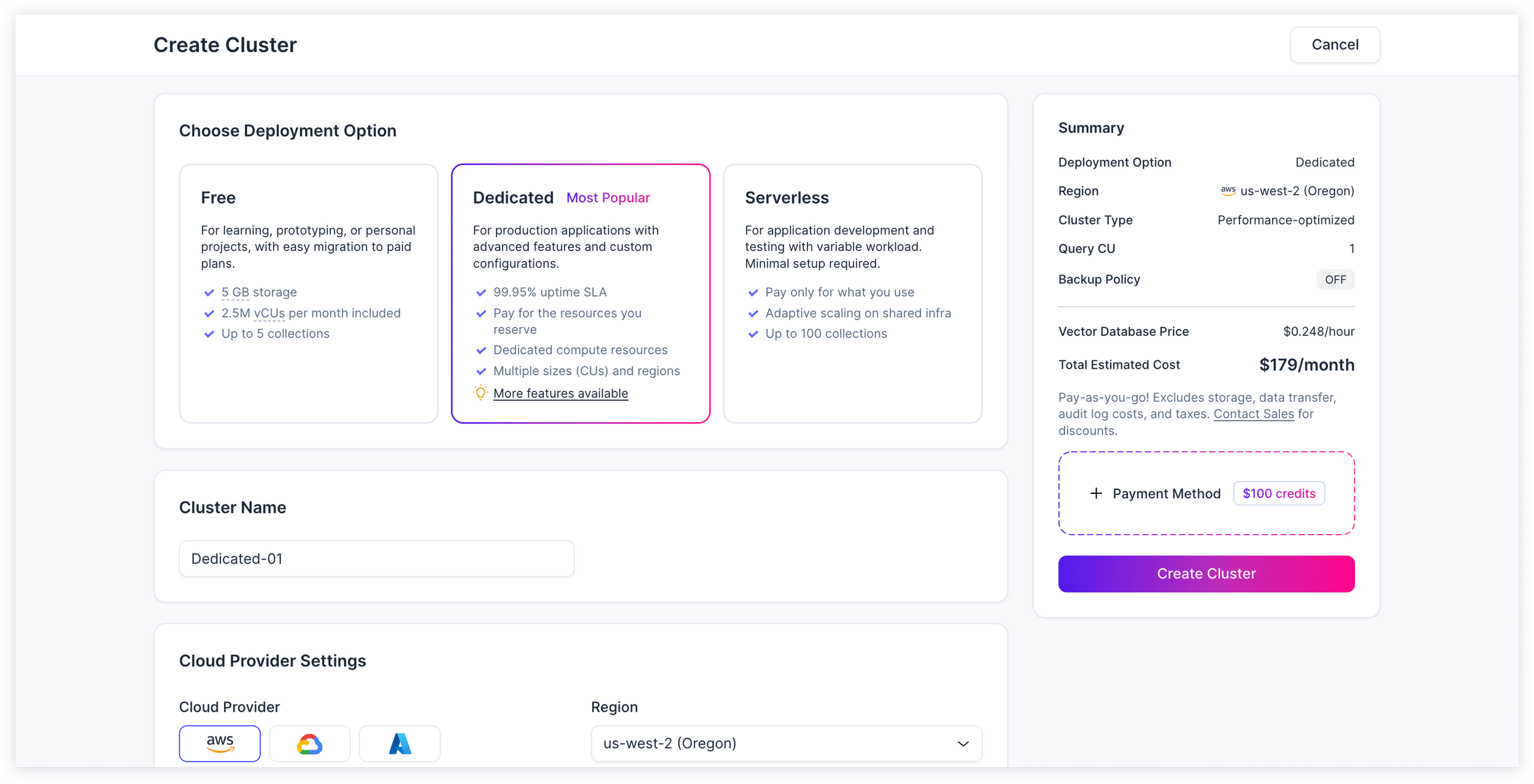
Step3 Choose a cluster plan
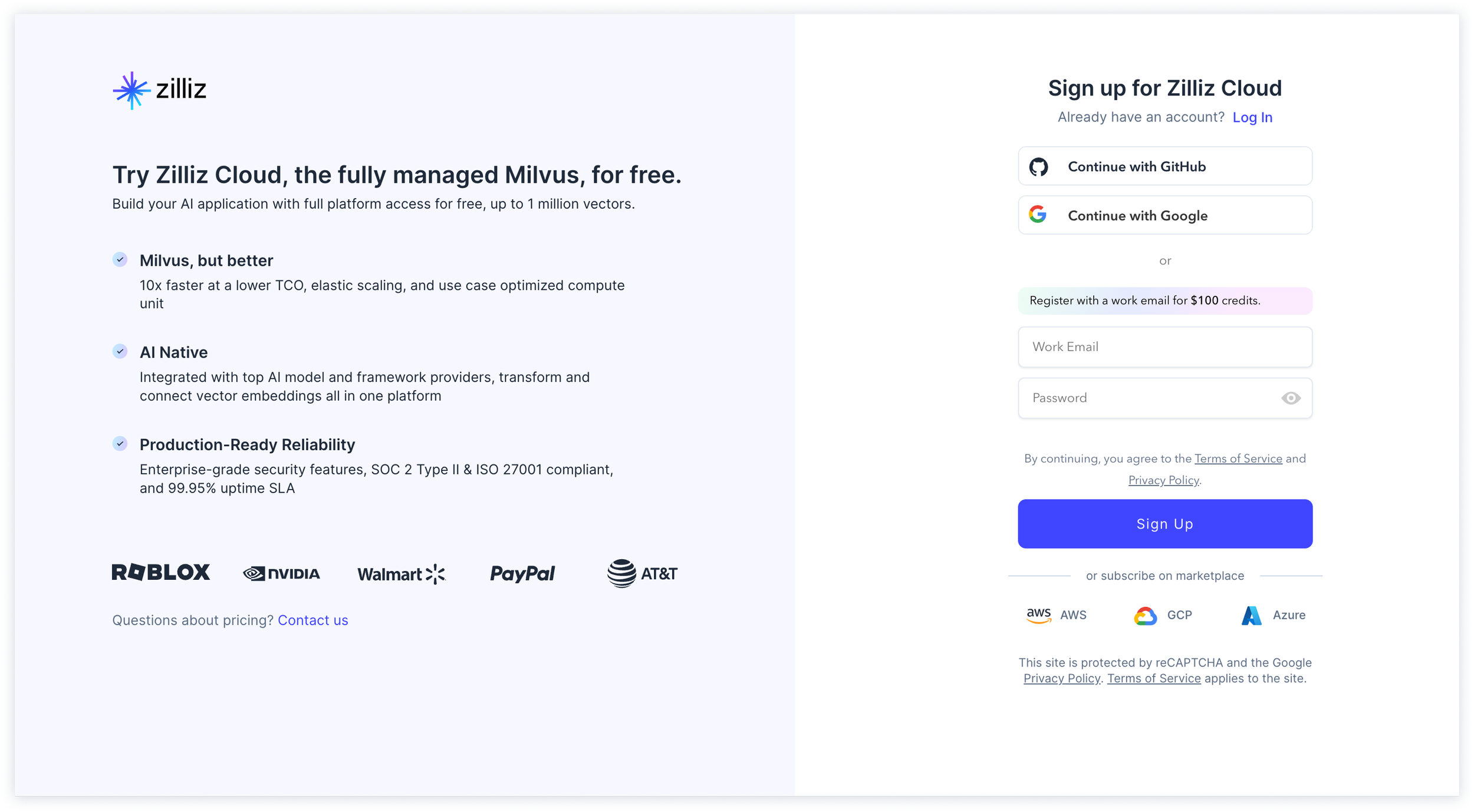
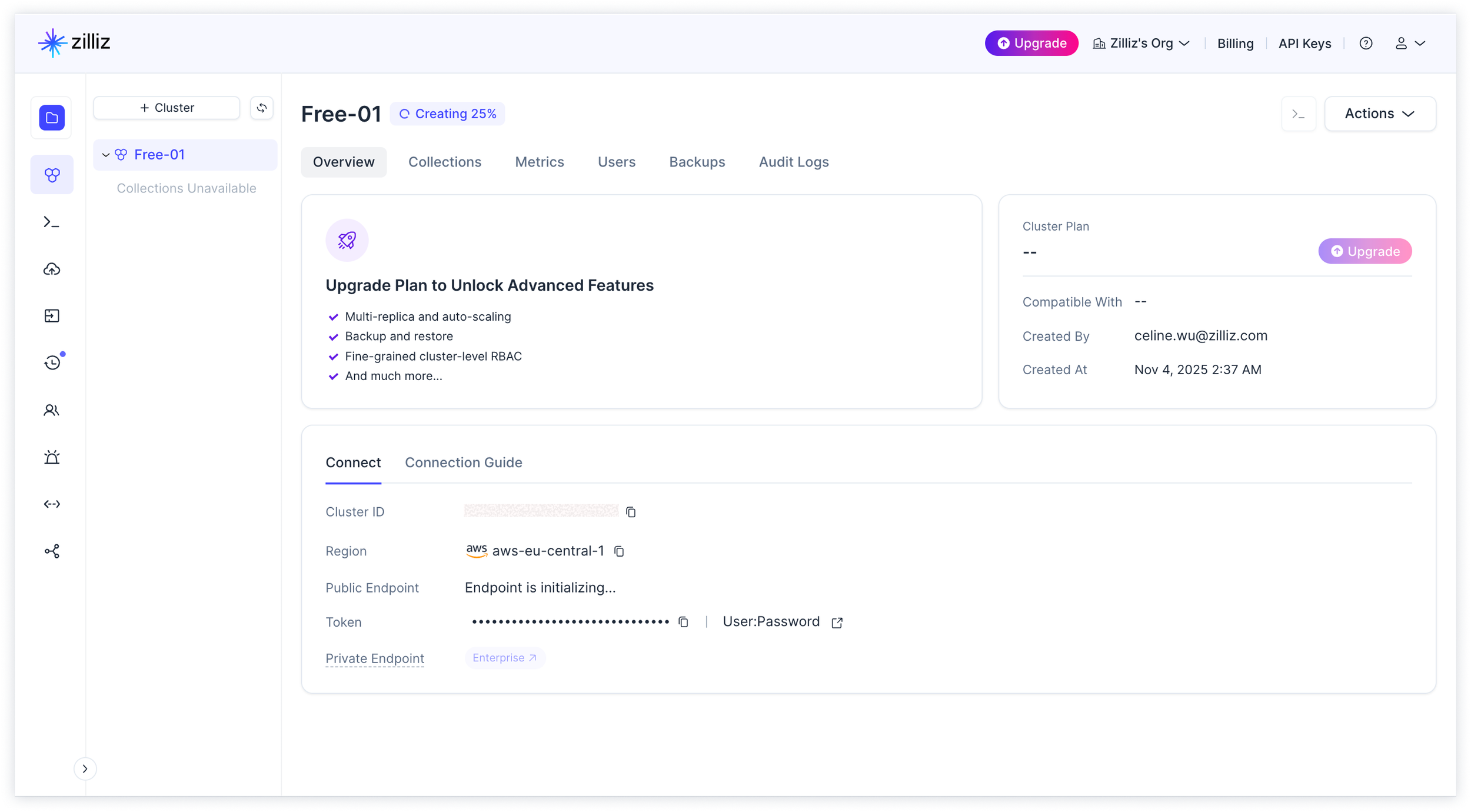
To diagnose the root cause, I conducted an end-to-end flow analysis
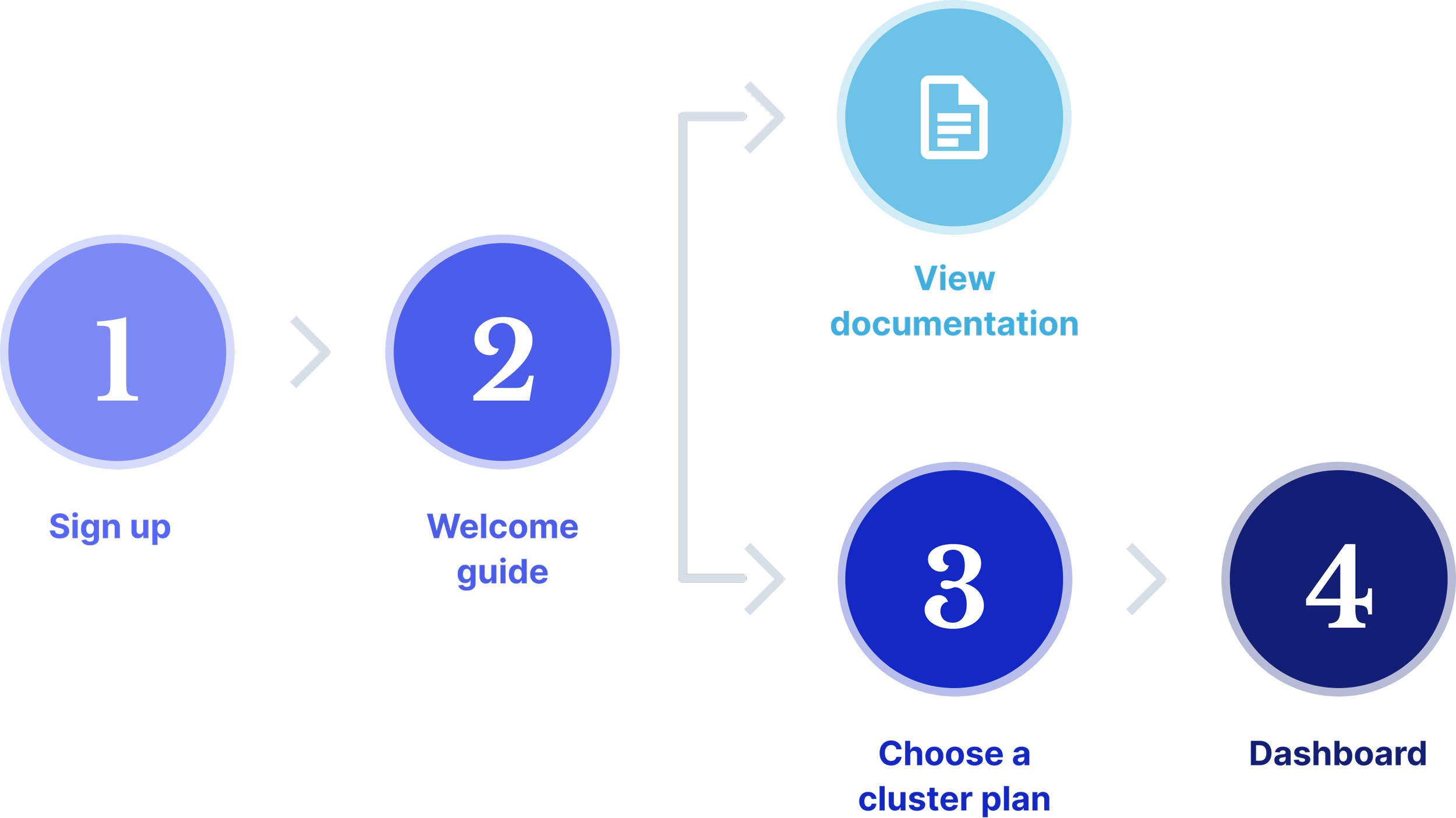
Step1 Sign up
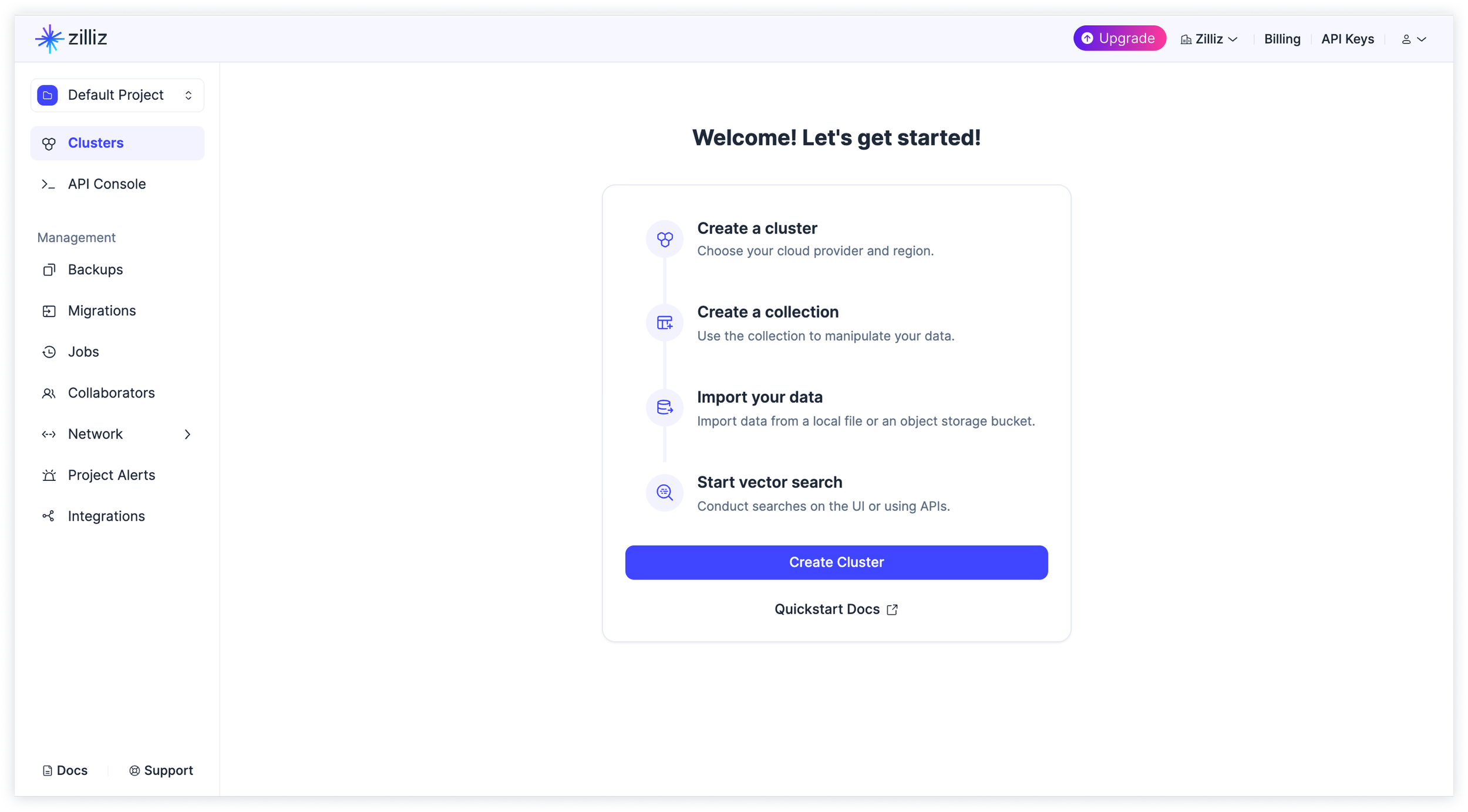
Step4 Main dashiboard
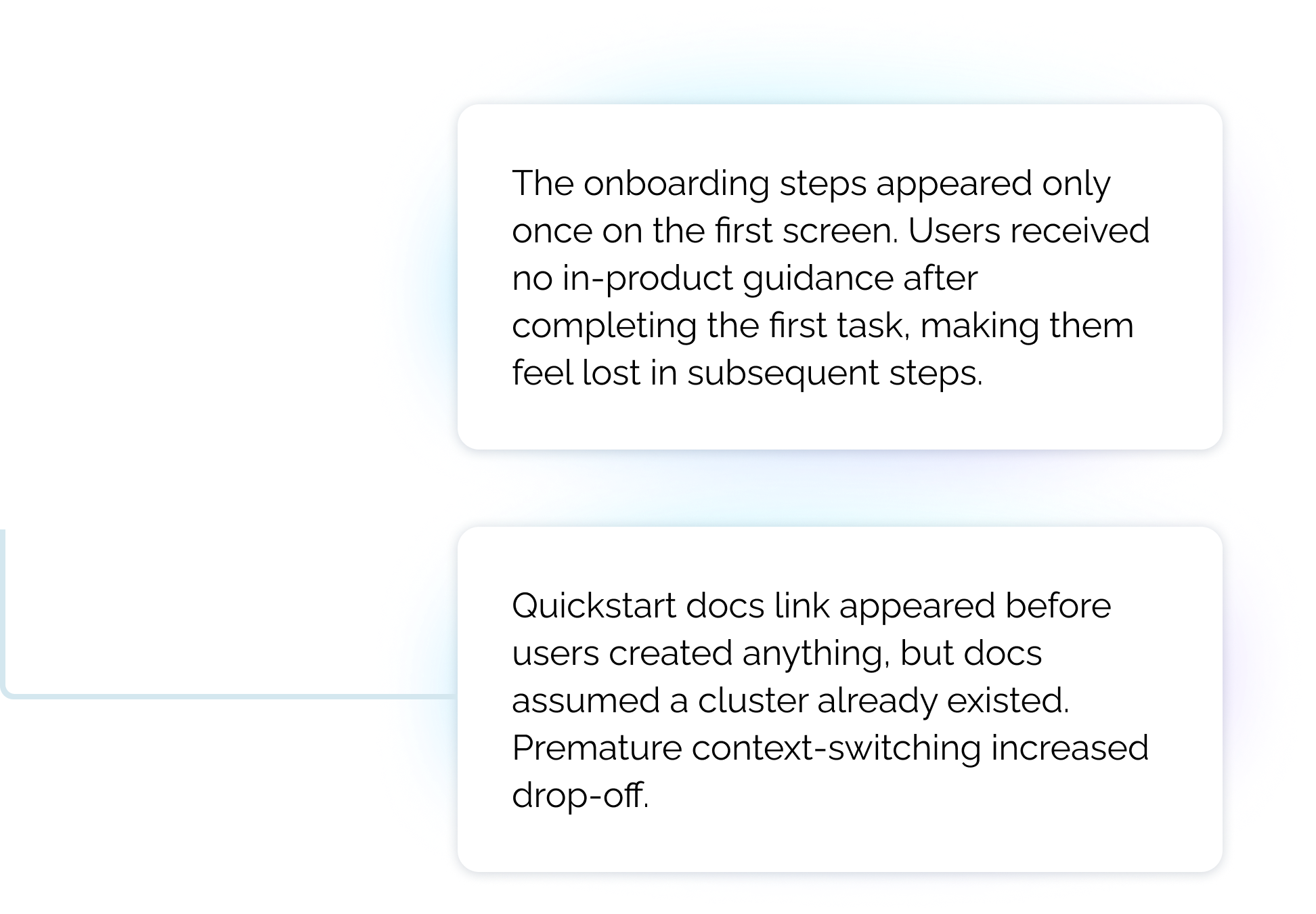

Design principal
Continuous Guidance
Provide persistent, step-by-step guidance so users always know what's next throughout the journy.
Contextual Support
Make documentation contextual to support users when needed, rather than a distraction from the primary flow.
Actionable Upgrade
Transform upgrade messaging from passive information into actionable conversion opportunities.
Design solution
Continuous guidance
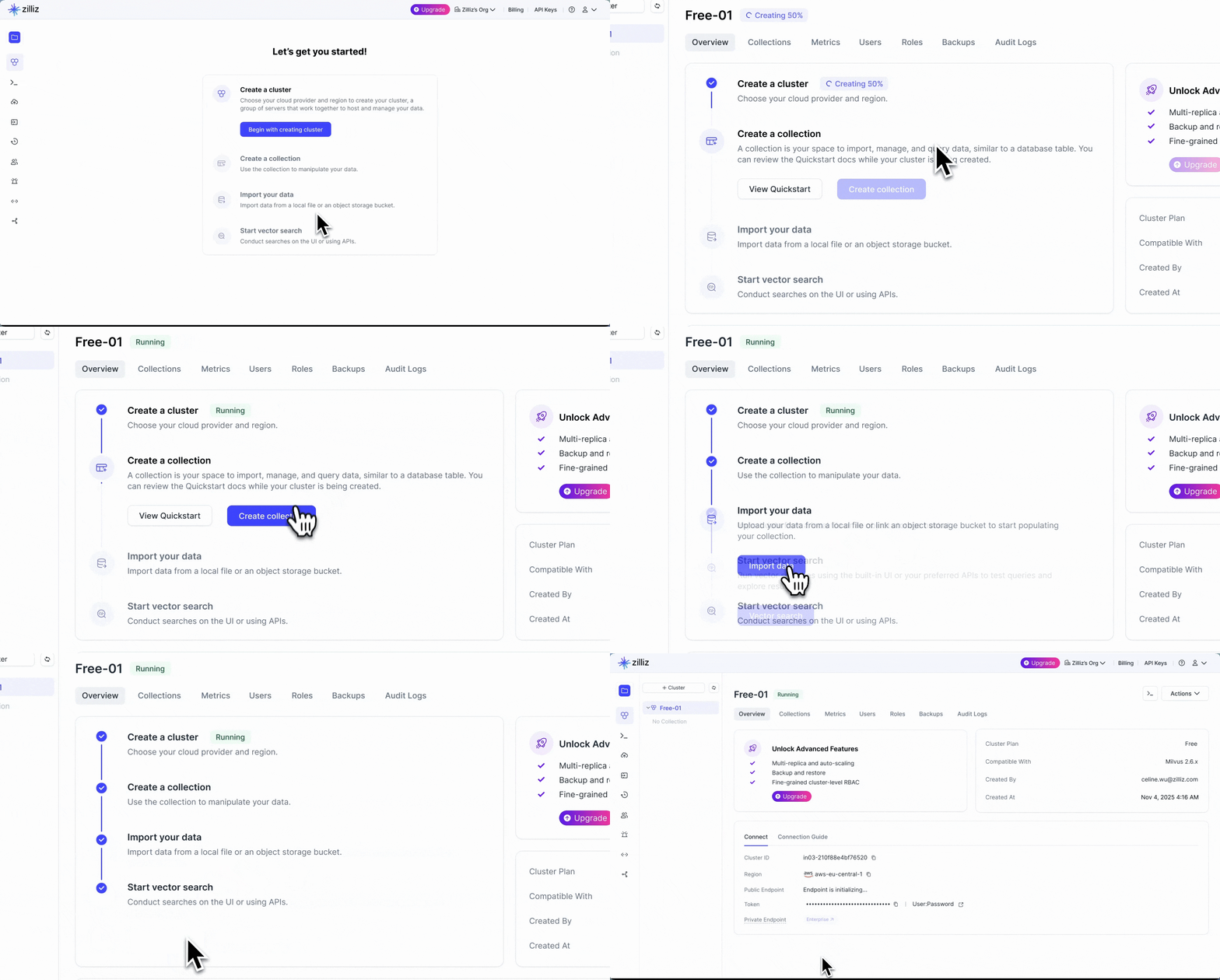
I redesigned onboarding as a persistent, in-product journey that aligned each step with user intent and scaffolded them toward their first vector search.
Onboarding guidance present throughout the journey
Current step highlighted with more detailed instructions
Next action clear
Contextual support
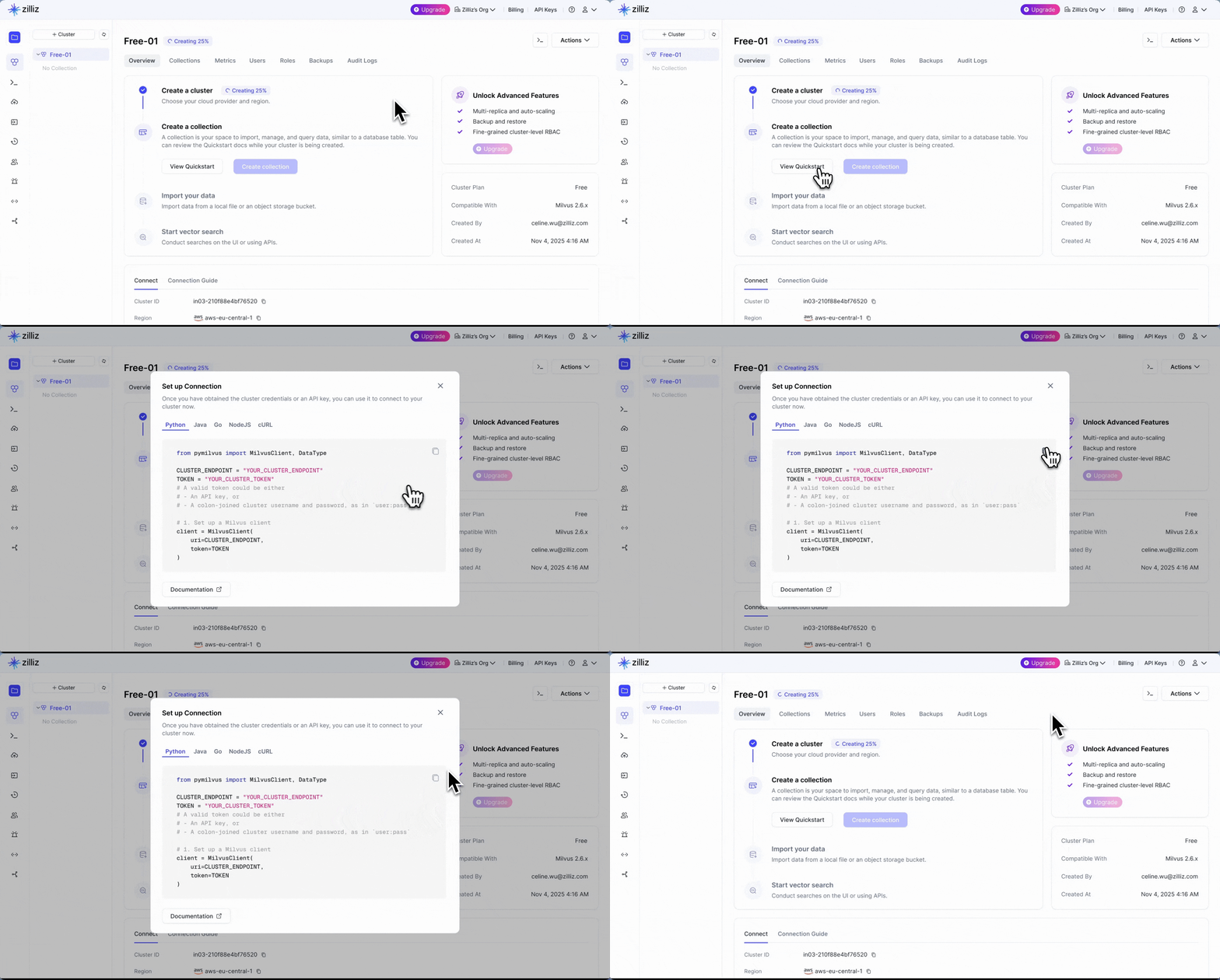
Repositioned Quickstart documentation to appear during cluster creation, when users have natural downtime and are ready to learn. Instead of linking to external docs, I surfaced essential starter code in-product via a modal, keeping users focused and reducing abandonment.
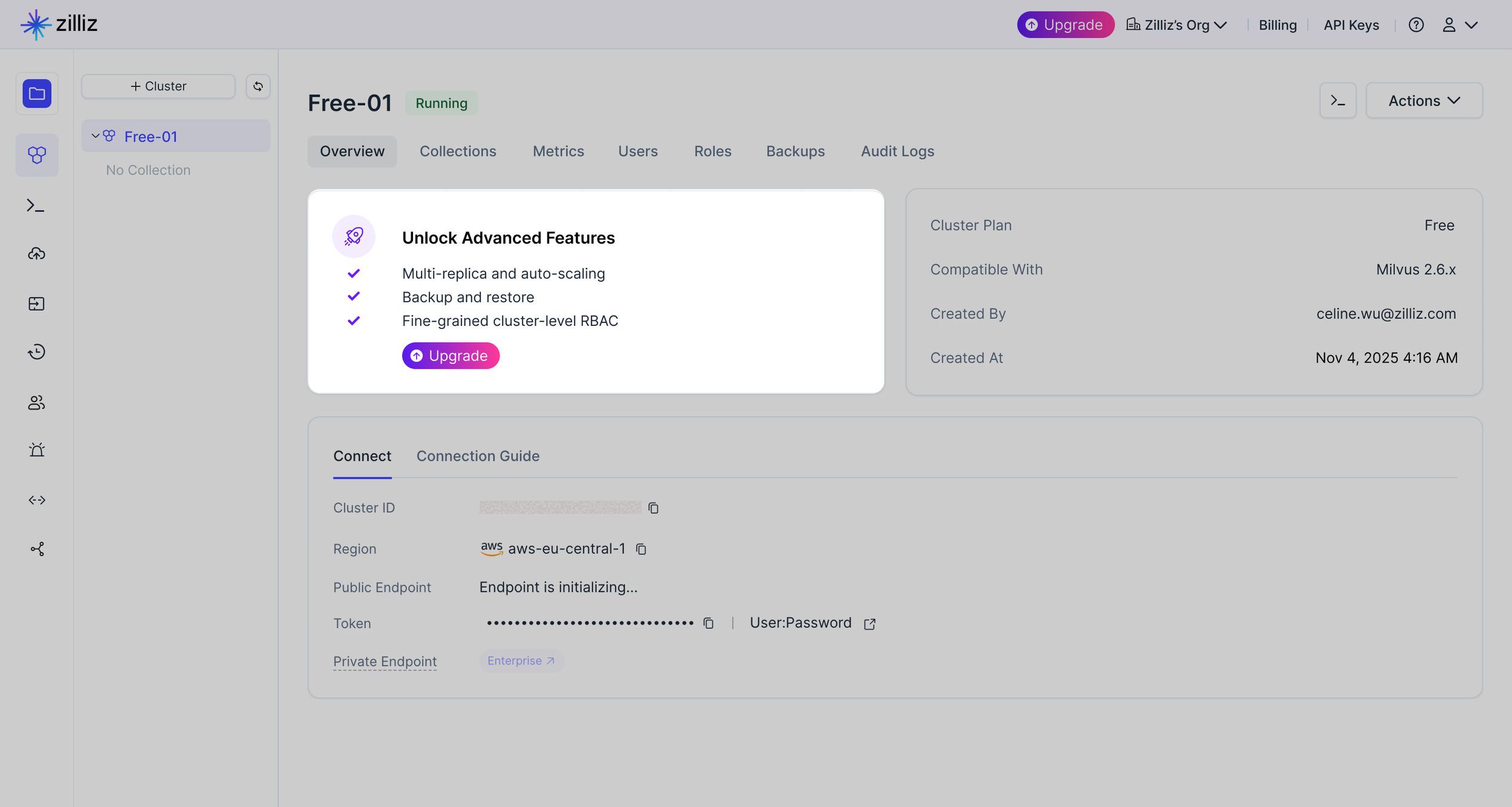
Actional upgrade
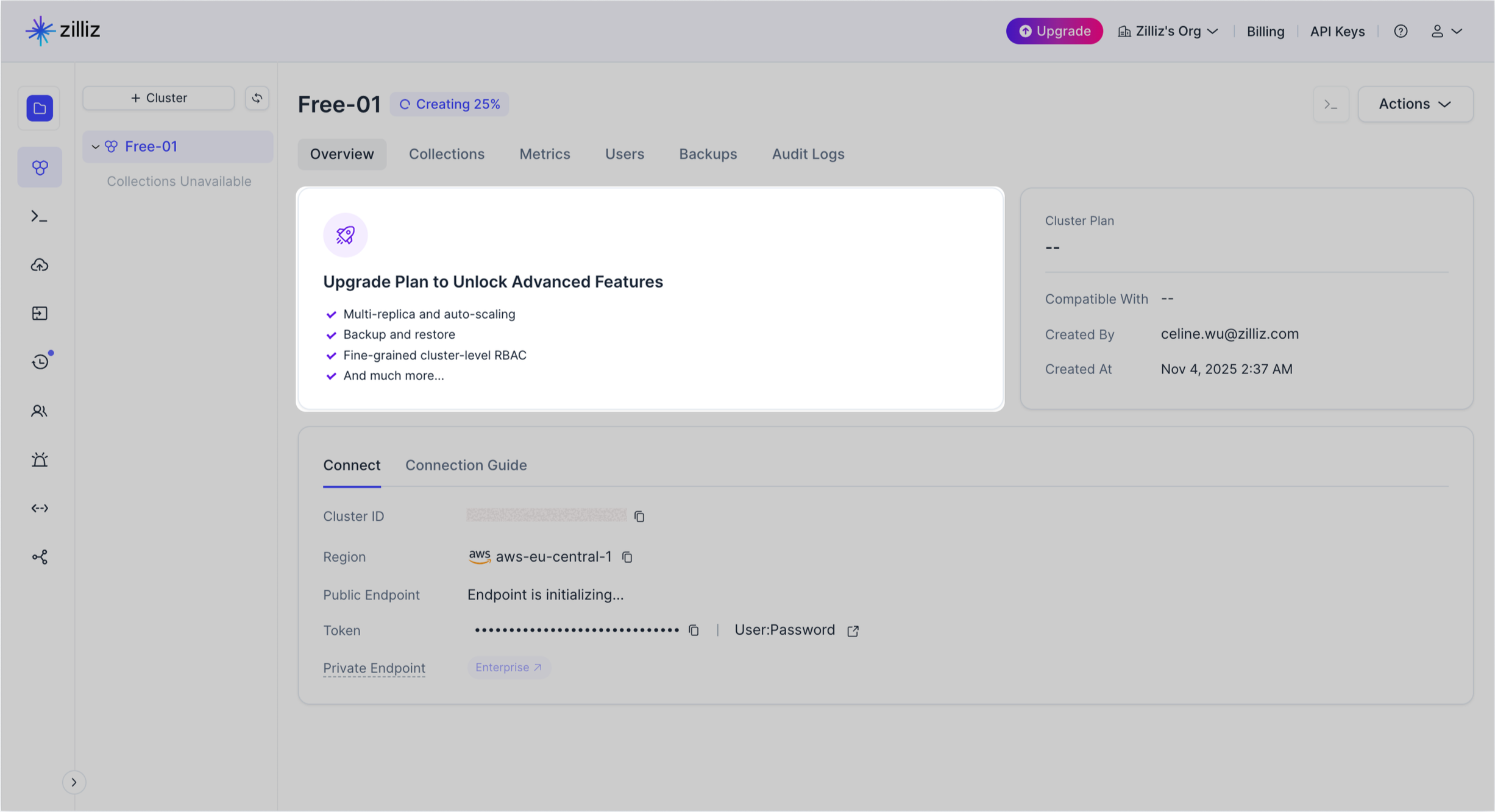
Before
After
Learnings
Context matters
The biggest lesson from this project: context matters more than content. Moving the documentation link didn't require new copy or design, just better timing. This taught me to look for leverage points in the user journey where small changes create outsized impact, rather than assuming every problem needs a big solution.
Iterations!
I learned to work quickly through multiple rounds of refinement while strategically seeking feedback from experienced teammates to validate my direction.
Communication
I learned to involve engineering early. Sharing rough concepts before polishing designs helped me understand what was feasible and avoid costly rework.